April 23, 2026
Why Children Need Regular Eye Exams
Why Regular Eye Exams are Crucial for Children's Development
A child's vision plays a critical role in their overall development, impacting everything from learning and social interaction to athletic performance and self-esteem. Unlike adults, children often don't realize they have a vision problem, making regular eye exams essential for early detection and intervention. These exams go beyond simple vision screenings and provide a comprehensive assessment of a child's eye health and visual skills.
The Impact of Vision Problems on Learning and Development
Undiagnosed and uncorrected vision problems can significantly hinder a child's ability to learn. Consider the visual demands of reading, writing, and using computers – tasks that are central to academic success. When a child struggles to see clearly or comfortably, they may experience:
- Difficulty concentrating
- Frustration with schoolwork
- Avoidance of reading
- Headaches or eye strain
- Poor handwriting
These challenges can lead to lower grades, behavioral issues, and a decreased interest in learning. Furthermore, vision problems can affect a child's social development, as they may struggle to participate in activities that require good eyesight, such as sports or games. Early intervention through regular eye exams and appropriate vision correction can help children overcome these obstacles and reach their full potential.
What to Expect During a Children's Eye Exam
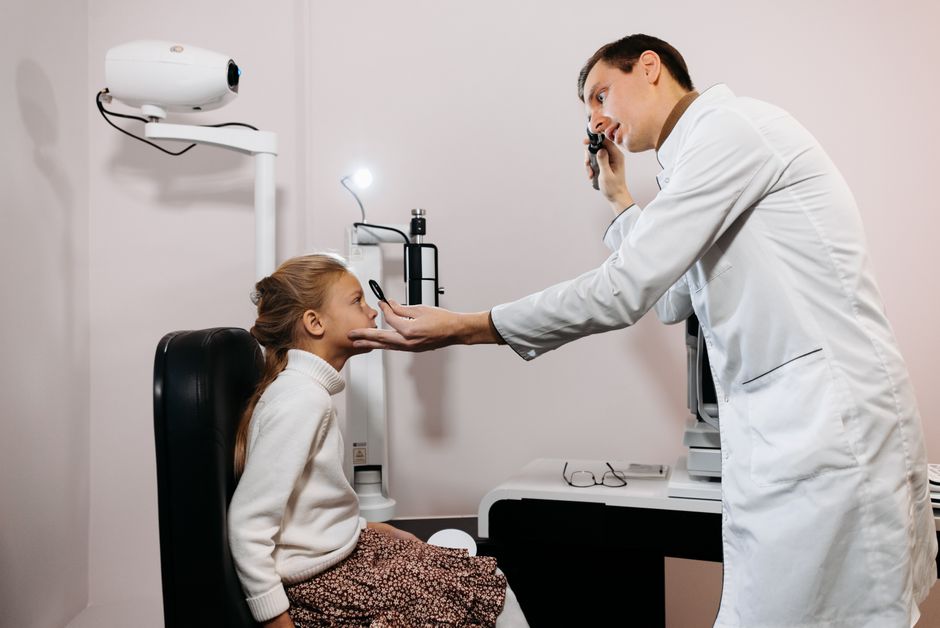
A comprehensive eye exam for children is tailored to their age and developmental stage. The optometrist will assess various aspects of vision, including:
- Visual Acuity: Measuring how clearly a child can see at different distances.
- Refraction: Determining if the child needs glasses to correct nearsightedness, farsightedness, or astigmatism.
- Eye Alignment: Checking how the eyes work together and if there are any signs of strabismus (crossed eyes) or other alignment problems.
- Eye Movement: Evaluating the child's ability to smoothly and accurately track moving objects.
- Eye Health: Examining the internal and external structures of the eyes to detect any signs of disease or abnormalities.
- Color Vision: Assessing the ability to distinguish between different colors.
The optometrist will use age-appropriate techniques and equipment to ensure the child is comfortable and cooperative throughout the exam. For younger children, they may use picture charts or toys to assess vision. For older children, the exam will be similar to an adult eye exam. If any vision problems are detected, the optometrist will discuss treatment options, such as glasses, contact lenses learn more, or vision therapy.
When Should Children Have Their Eyes Examined?
The American Optometric Association (AOA) recommends the following schedule for children's eye exams:
- Infants: A comprehensive eye exam at 6 months of age.
- Toddlers and Preschoolers: Another eye exam at age 3, and again before starting kindergarten (around age 5 or 6).
- School-Aged Children: Every year or two, depending on the child's individual needs and risk factors.
Children with a family history of eye problems, premature birth, developmental delays, or other health conditions may need more frequent eye exams. It's also important to schedule an eye exam if you notice any signs of vision problems, such as squinting, excessive blinking, rubbing the eyes, or holding objects close to the face.
Common Vision Problems in Children
Several vision problems can affect children, including:
- Refractive Errors: Nearsightedness (myopia), farsightedness (hyperopia), and astigmatism are common refractive errors that can be corrected with glasses learn more or contact lenses.
- Amblyopia (Lazy Eye): A condition where one eye doesn't develop normal vision, even with glasses. Early detection and treatment, such as patching or eye drops, are crucial to prevent permanent vision loss.
- Strabismus (Crossed Eyes): A misalignment of the eyes that can lead to double vision or amblyopia. Treatment options include glasses, vision therapy, or surgery.
- Convergence Insufficiency: Difficulty coordinating the eyes when focusing on near objects, leading to eye strain, headaches, and reading difficulties. Vision therapy can help improve convergence skills.
- Color Blindness: A genetic condition that affects the ability to distinguish between certain colors.
Regular eye exams can help detect these and other vision problems early, allowing for timely intervention and minimizing their impact on a child's development.
Protecting Your Child's Vision: Tips for Parents
In addition to regular eye exams learn more, there are several things parents can do to protect their child's vision:
- Encourage outdoor play: Studies have shown that spending time outdoors can help reduce the risk of nearsightedness.
- Limit screen time: Excessive screen time can contribute to eye strain and other vision problems. Encourage your child to take breaks and follow the 20-20-20 rule (every 20 minutes, look at something 20 feet away for 20 seconds).
- Provide a healthy diet: A diet rich in fruits, vegetables, and omega-3 fatty acids is important for overall eye health.
- Protect eyes from the sun: Make sure your child wears sunglasses that block 100% of UVA and UVB rays when spending time outdoors.
- Create a comfortable reading environment: Ensure adequate lighting and proper posture when your child is reading or doing homework.
Schedule Your Child's Eye Exam Today
Prioritizing your child's vision health is an investment in their future. By scheduling regular eye exams, you can ensure that any vision problems are detected and treated early, allowing your child to thrive in school, sports, and all aspects of life. Don't wait until your child is struggling – schedule their comprehensive eye exam with Professional Eyecare Oak Park today. Contact us to book an appointment and give your child the gift of clear, healthy vision.
Have Questions About Your Eye Health?
Schedule an appointment with our expert team today.
Book an Appointment