May 28, 2026
Understanding Macular Degeneration: Key Insights and Information
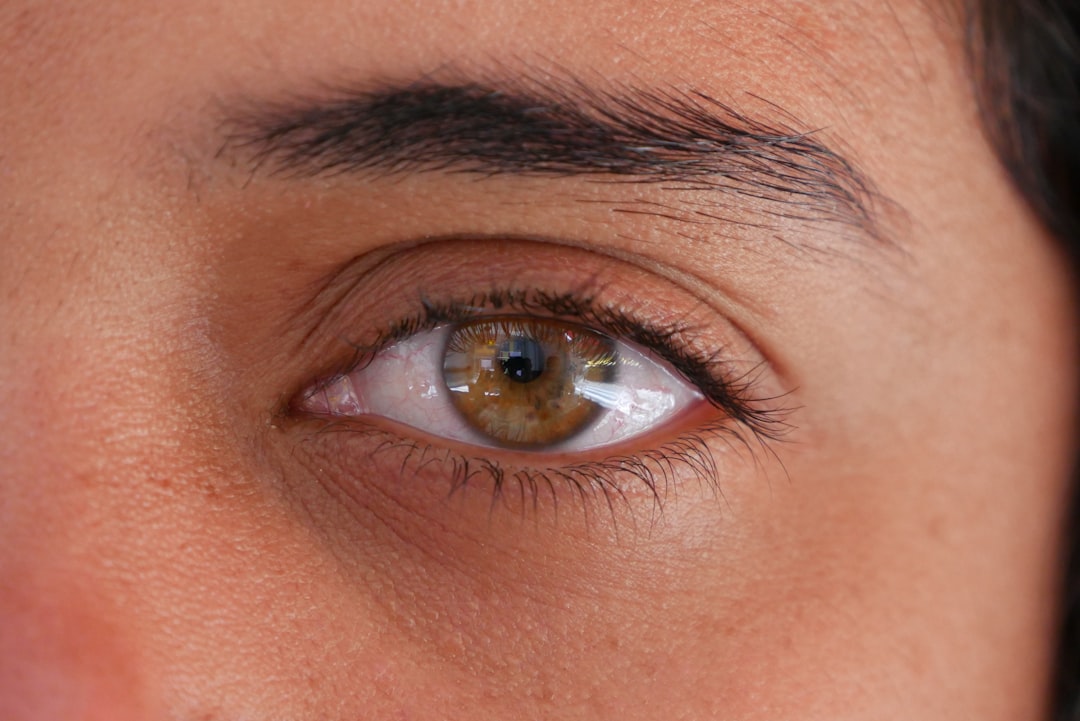
What is Macular Degeneration?
Macular degeneration, often referred to as age-related macular degeneration (AMD), is a progressive eye disease that affects the macula, the part of the retina responsible for sharp central vision. AMD is predominantly found in older adults and has the potential to severely impair vision, impacting activities like reading and driving.
Types of Macular Degeneration
Dry AMD
Dry AMD is the most common form, accounting for about 85-90% of cases. It progresses gradually and leads to a slow loss of vision. The hallmark of dry AMD is the formation of drusen, yellow deposits beneath the retina that can disrupt visual function.
Wet AMD
Wet AMD is less common but more serious. It occurs when abnormal blood vessels grow beneath the retina, leaking fluid and causing rapid vision loss. Early detection and treatment are crucial to managing this form of the disease.
Causes and Risk Factors
The exact cause of macular degeneration is still under investigation, but several factors contribute to its development:
- Age: Risk increases significantly after age 50.
- Genetics: Family history can elevate the risk.
- Smoking: Tobacco use is linked with a greater likelihood of AMD.
- Obesity: Excess body weight can contribute to the progression of the disease.
- Poor diet: Diets lacking in antioxidants may influence the onset.
- Hypertension: High blood pressure has been associated with an increased risk.
Symptoms of Macular Degeneration
Early stages of macular degeneration may present few noticeable symptoms. However, as the disease progresses, individuals may experience:
- Blurriness in central vision
- Difficulty recognizing faces
- A dark or empty area in the center of vision
- Distorted or wavy lines
Diagnosis of Macular Degeneration
Diagnosis typically involves a comprehensive eye examination, including:
- Visual acuity test: Measures how well you see at various distances.
- Fundus examination: Your eye doctor will look at the back of your eye.
- Fluorescein angiography: This test uses a special dye to examine blood flow in the retina.
- Optical coherence tomography (OCT): Provides cross-sectional images of the retina, helping to assess structural damage.
Treatment Options
While there is no cure for macular degeneration, several treatments may help slow its progression or improve visual function:
For Dry AMD
Currently, there are no specific treatments for dry AMD, but nutritional supplements containing antioxidants (e.g., vitamins C, E, lutein, and zeaxanthin) may benefit some patients.
For Wet AMD
Wet AMD can often be treated with:
- Anti-VEGF injections: These medications help reduce the growth of abnormal blood vessels.
- Photodynamic therapy: A light-sensitive drug is used alongside a laser to destroy abnormal vessels.
- Laser therapy: Direct laser treatment can also target and obliterate concerning blood vessels.
Living with Macular Degeneration
Adjusting to vision changes requires time and can be challenging. The following strategies may assist in maintaining independence:
- Vision rehabilitation: Occupational therapy or low-vision specialists can help adapt to vision loss.
- Assistive devices: Magnifiers, specialized glasses, and other tools can enhance remaining vision.
- Healthy lifestyle choices: Engaging in regular exercise, maintaining a balanced diet, and avoiding smoking can be protective.
Conclusion
Macular degeneration is a significant cause of vision loss in older adults, but with early detection and appropriate management, its impact can be minimized. If you experience any changes in your vision or have concerns about macular degeneration, contact Professional Eyecare Oak Park for a comprehensive eye examination.
Have Questions About Your Eye Health?
Schedule an appointment with our expert team today.
Book an Appointment