June 2, 2026
Glaucoma Awareness: How Early Detection Protects Your Vision
By Dr. Austin Andersen, MD — Ophthalmologist
Medically reviewed by Dr. Austin Andersen, MD
Understanding Glaucoma: A Silent Threat to Your Sight
Glaucoma is often called the "silent thief of sight" because it typically progresses without noticeable symptoms in its early stages. This group of eye conditions damages the optic nerve, which transmits visual information from your eye to your brain. This damage is often linked to high pressure inside your eye, known as intraocular pressure (IOP). However, glaucoma can also occur with normal eye pressure. The insidious nature of glaucoma means that by the time you notice vision changes, significant and irreversible damage may have already occurred.
At Professional Eyecare Oak Park, we believe in clarity you can trust. Understanding what glaucoma is and how it affects your vision is the first step in protecting your eye health. Our goal is to empower you with knowledge and provide the precision care needed to detect and manage this condition effectively.
Why Early Detection of Glaucoma is Crucial
The key to preventing significant vision loss from glaucoma lies in early detection. Unlike some other eye conditions, the vision loss caused by glaucoma cannot be recovered. Once the optic nerve is damaged, that part of your vision is permanently gone. This makes regular eye exams, especially as you age or if you have risk factors, absolutely essential.
- Irreversible Damage: The most critical reason for early detection is that glaucoma-related vision loss is permanent. Early diagnosis allows for treatment to begin before extensive damage occurs, preserving your existing vision.
- Slow Progression: Glaucoma often progresses slowly, meaning that if caught early, treatments can effectively manage the condition and significantly slow or halt its progression.
- No Obvious Symptoms: In its most common form, open-angle glaucoma, there are no pain or noticeable vision changes until the disease is advanced. Peripheral vision is typically affected first, which can be hard to detect without a comprehensive eye exam.
- Preventative Measures: Early diagnosis enables your eye care professional to implement preventative measures and treatments, such as eye drops, oral medications, or even minimally invasive procedures, to control eye pressure and protect your optic nerve.
Don't wait for symptoms to appear. Schedule a comprehensive eye exam in Overland Park today.
Who Is at Risk for Glaucoma?
While anyone can develop glaucoma, certain factors increase your risk. Understanding these risk factors can help you and your eye doctor determine the appropriate frequency and type of screenings you need. If you fall into one or more of these categories, it's even more vital to prioritize regular eye check-ups.
- Age: The risk of glaucoma increases significantly after age 60.
- Family History: If a parent, sibling, or child has glaucoma, you are at a higher risk.
- Ethnicity: African Americans are at a higher risk of developing glaucoma at a younger age and experiencing more severe vision loss. People of Hispanic and Asian descent also have increased risks for certain types of glaucoma.
- Medical Conditions: Diabetes, heart disease, high blood pressure, and sickle cell anemia can increase risk.
- Eye Conditions: Nearsightedness (myopia) and certain types of eye injuries can also be risk factors.
- Corticosteroid Use: Prolonged use of corticosteroid medications, especially eye drops, can increase your risk.
Discuss your personal and family medical history with your optometrist during your next visit. This transparency helps us provide the most human-centered care possible.
The Glaucoma Screening Process at Professional Eyecare Oak Park
At Professional Eyecare Oak Park, we use state-of-the-art technology and a meticulous approach to detect glaucoma early and accurately. Our intelligent efficiency means a thorough exam without feeling rushed, giving you clarity you can trust.
What to Expect During Your Exam:
- Tonometry: This test measures your intraocular pressure (IOP). While high IOP is a significant risk factor, it's not the only indicator of glaucoma.
- Pachymetry: This measures the thickness of your cornea. Corneal thickness can influence IOP readings, so this measurement helps interpret your tonometry results accurately.
- Ophthalmoscopy/Optic Nerve Evaluation: Your eye doctor will examine your optic nerve for signs of damage or unusual appearance. This is a critical step in diagnosing glaucoma.
- Visual Field Test: This test maps your peripheral vision to detect any blind spots that might indicate optic nerve damage from glaucoma.
- Optical Coherence Tomography (OCT): This advanced imaging technology provides detailed cross-sectional images of your optic nerve and retinal nerve fiber layer, allowing for precise detection of subtle changes over time.
We are committed to continuous improvement in our diagnostic capabilities, ensuring you receive the most accurate and efficient screening available. Our Overland Park patients benefit from the latest advancements in optometric care.
Managing Glaucoma: Treatment Options and Ongoing Care
If glaucoma is detected, your eye doctor will discuss a personalized treatment plan aimed at lowering your intraocular pressure and preventing further optic nerve damage. While there's no cure for glaucoma, it can be effectively managed.
Common Treatment Approaches:
- Eye Drops: These are the most common initial treatment. Various types of eye drops work by reducing the production of fluid in your eye or increasing its outflow.
- Oral Medications: In some cases, oral medications may be prescribed to further lower eye pressure.
- Laser Treatment: Procedures like Selective Laser Trabeculoplasty (SLT) can help improve fluid drainage from the eye.
- Surgery: For some patients, conventional surgery (e.g., trabeculectomy) or minimally invasive glaucoma surgery (MIGS) may be recommended to create a new drainage pathway or enhance existing ones.
Living with glaucoma requires ongoing monitoring and adherence to your treatment plan. Regular follow-up appointments are crucial to track your eye pressure, assess the health of your optic nerve, and adjust treatments as needed. We are here to support you every step of the way, ensuring your eye care feels clear, professional, and modern.
Protect Your Vision: Schedule Your Eye Exam Today
Your vision is a priority. Don't let glaucoma steal your sight. Professional Eyecare Oak Park is dedicated to providing intelligent, human-centered eye care that prioritizes early detection and effective management of conditions like glaucoma. Our clear, confident, and professional approach ensures you receive the best possible care.
Whether you're due for a routine check-up or have concerns about your eye health, we encourage you to take proactive steps. Book your comprehensive eye exam with our expert team in Overland Park, Kansas. Experience the clarity you can trust.
Contact us today to schedule your appointment and protect your precious vision for years to come.
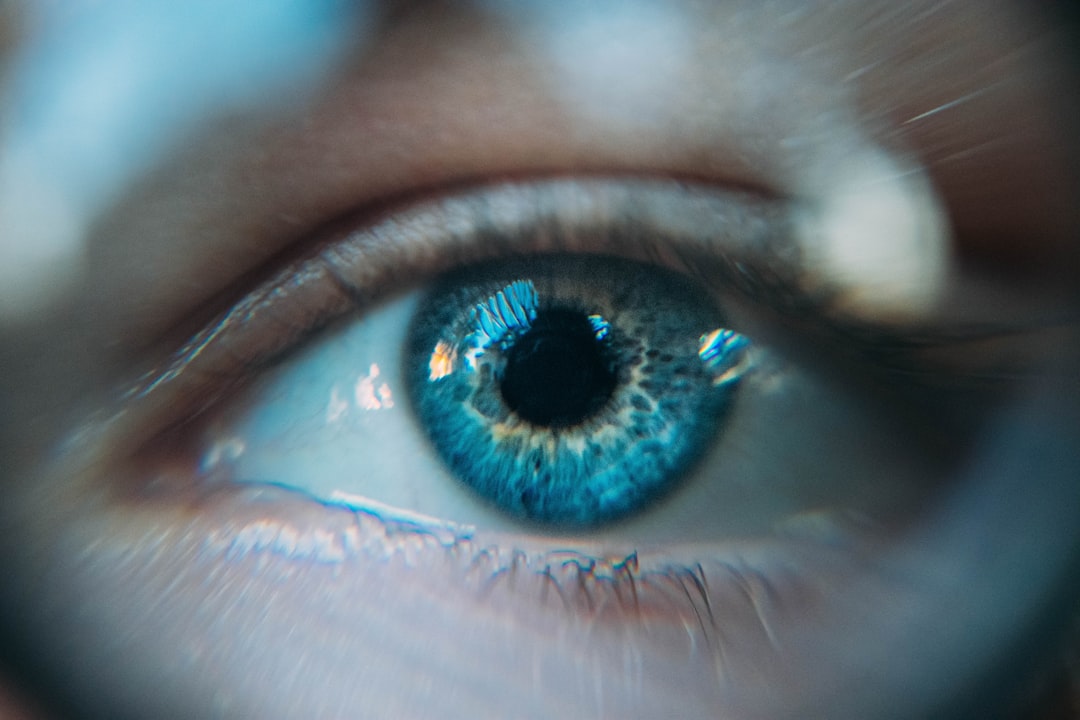
Image: Photo by Ion Fet on Unsplash
Frequently Asked Questions
What exactly is glaucoma?
Glaucoma is a group of eye conditions that damage the optic nerve, which is vital for transmitting visual information to your brain. This damage is often associated with high pressure inside the eye, but it can also occur with normal eye pressure. Early detection is crucial because vision loss from glaucoma is irreversible.
Why is glaucoma often called the 'silent thief of sight'?
Glaucoma earns this name because it typically progresses without noticeable symptoms in its early stages. By the time a person experiences vision changes, significant and permanent damage may have already occurred. Regular eye exams are important for early detection.
How can I protect my vision from glaucoma?
The most effective way to protect your vision from glaucoma is through early detection and consistent management. Since symptoms are often absent in the early stages, regular comprehensive eye exams are essential. Consult with your eye doctor to discuss your individual risk and screening schedule.
Have Questions About Your Eye Health?
Schedule an appointment with our expert team today.
Book an Appointment