April 30, 2026
Foods That Promote Healthy Eyesight
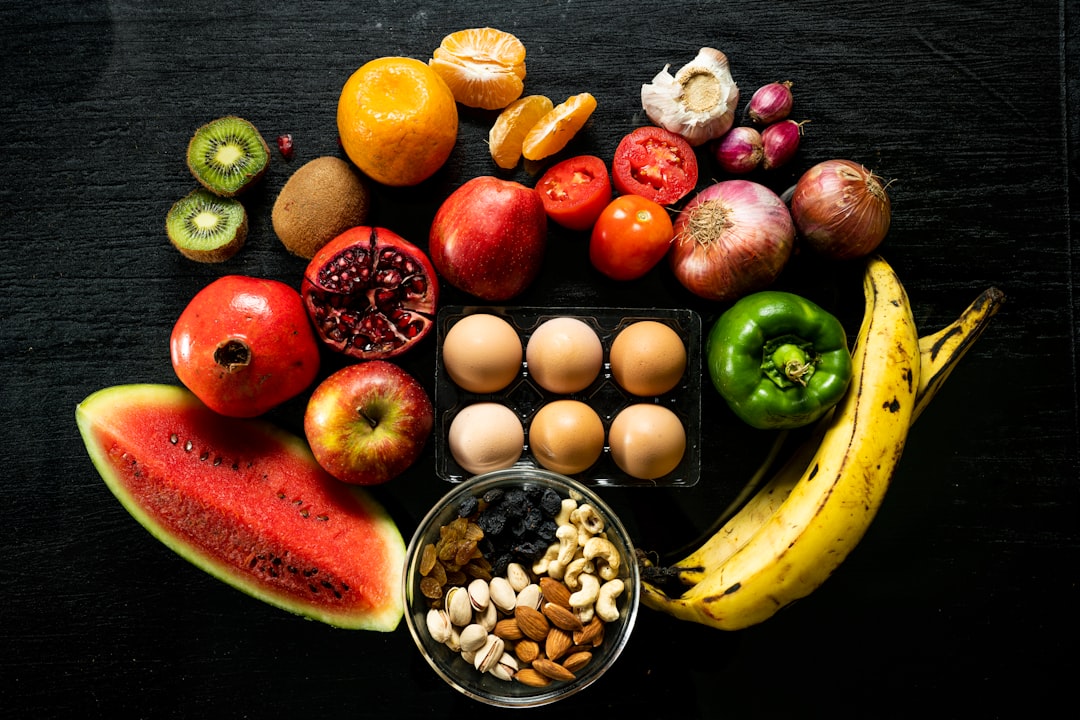
The Link Between Diet and Eye Health
Maintaining healthy eyesight is a lifelong commitment, and while regular eye exams learn more are crucial, your diet plays a significant role. Just as certain foods benefit your heart or brain, others provide essential nutrients that support optimal eye function and protect against age-related eye diseases. This post will explore the specific foods and nutrients that contribute to healthy eyesight, offering practical tips for incorporating them into your daily meals.
Key Nutrients for Eye Health
Before diving into specific foods, it’s important to understand the key nutrients that contribute to eye health. These include:
- Vitamin A: Essential for the proper function of the retina and helps prevent night blindness.
- Vitamin C: An antioxidant that protects against free radical damage and supports collagen production, vital for eye structure.
- Vitamin E: Another powerful antioxidant that safeguards eye cells from damage.
- Lutein and Zeaxanthin: Carotenoids that act as natural sunblock for the eyes, protecting against harmful blue light and reducing the risk of macular degeneration.
- Omega-3 Fatty Acids: Important for maintaining healthy cell membranes and reducing inflammation, which can benefit dry eye syndrome and other eye conditions.
- Zinc: Helps transport vitamin A from the liver to the retina to produce melanin, a protective pigment in the eyes.
Top Foods for Optimal Eye Health
Now, let's explore the specific foods that are rich in these essential nutrients and can contribute to healthy eyesight:
Leafy Green Vegetables
Spinach, kale, collard greens, and other leafy greens are packed with lutein and zeaxanthin. These antioxidants help filter harmful high-energy blue light and protect the macula, the central part of the retina responsible for sharp, detailed vision. Aim for at least one serving of leafy greens per day. You can add them to salads, smoothies, or sauté them as a side dish.
Colorful Fruits and Vegetables
Brightly colored fruits and vegetables, such as carrots, sweet potatoes, bell peppers, and berries, are rich in vitamins A, C, and E. Carrots, in particular, are famous for their high beta-carotene content, which the body converts into vitamin A. Berries, like blueberries and strawberries, are excellent sources of vitamin C and antioxidants, which help protect against oxidative stress and inflammation in the eyes.
Fatty Fish
Salmon, tuna, mackerel, and other fatty fish are excellent sources of omega-3 fatty acids, particularly DHA (docosahexaenoic acid). DHA is a major structural component of the retina and plays a crucial role in maintaining healthy cell membranes. Omega-3 fatty acids can also help reduce inflammation and alleviate symptoms of dry eye syndrome. Aim to include fatty fish in your diet at least twice a week.
Eggs
Eggs are a nutritional powerhouse for eye health. The yolk is a good source of lutein, zeaxanthin, and zinc. Lutein and zeaxanthin help protect against age-related macular degeneration, while zinc aids in the absorption and utilization of these antioxidants. Enjoy eggs in various ways, such as scrambled, boiled, or in omelets, to reap their eye-health benefits.
Nuts and Seeds
Almonds, walnuts, chia seeds, and flaxseeds are excellent sources of vitamin E and omega-3 fatty acids. Vitamin E is a powerful antioxidant that protects eye cells from damage caused by free radicals. Omega-3 fatty acids contribute to healthy cell membranes and can help reduce inflammation. Incorporate nuts and seeds into your diet as snacks, salad toppings, or additions to yogurt and smoothies.
Citrus Fruits
Oranges, grapefruits, lemons, and limes are rich in vitamin C, a potent antioxidant that supports collagen production and protects against free radical damage. Vitamin C is also important for maintaining healthy blood vessels in the eyes. Include citrus fruits in your diet through fresh juices, salads, or as a refreshing snack.
Simple Ways to Incorporate Eye-Healthy Foods into Your Diet
Making small changes to your diet can have a significant impact on your eye health. Here are some practical tips for incorporating eye-healthy foods into your daily meals:
- Start your day with a smoothie: Blend leafy greens, berries, and a source of healthy fats like flaxseeds or chia seeds for a nutrient-packed breakfast.
- Add colorful vegetables to your meals: Include carrots, bell peppers, and sweet potatoes in your salads, stir-fries, and roasted vegetable dishes.
- Snack on nuts and seeds: Keep a bag of almonds or walnuts on hand for a healthy and satisfying snack.
- Choose fatty fish for dinner: Grill, bake, or pan-fry salmon, tuna, or mackerel for a delicious and eye-healthy meal.
- Incorporate eggs into your breakfast or lunch: Enjoy scrambled eggs, omelets, or hard-boiled eggs as part of a balanced meal.
- Drink fresh citrus juice: Start your day with a glass of freshly squeezed orange or grapefruit juice for a boost of vitamin C.
The Importance of Regular Eye Exams
While diet plays a crucial role in maintaining healthy eyesight, it's essential to remember that it's just one piece of the puzzle. Regular eye exams learn more are equally important for detecting and managing eye conditions early on. Comprehensive eye exams can identify problems such as glaucoma, cataracts, and macular degeneration before they cause significant vision loss. Consult with your eye doctor learn more to determine the appropriate frequency of eye exams based on your age, health history, and risk factors.
Conclusion
Nourishing your body with the right foods is a powerful way to support healthy eyesight and protect against age-related eye diseases. By incorporating a variety of nutrient-rich foods, such as leafy greens, colorful fruits and vegetables, fatty fish, eggs, nuts, and citrus fruits, you can provide your eyes with the essential vitamins, minerals, and antioxidants they need to function optimally. Remember to complement a healthy diet with regular eye exams learn more to ensure comprehensive eye care. Schedule your next eye exam learn more with Professional Eyecare Oak Park today and take a proactive step towards preserving your vision for years to come!
Have Questions About Your Eye Health?
Schedule an appointment with our expert team today.
Book an Appointment